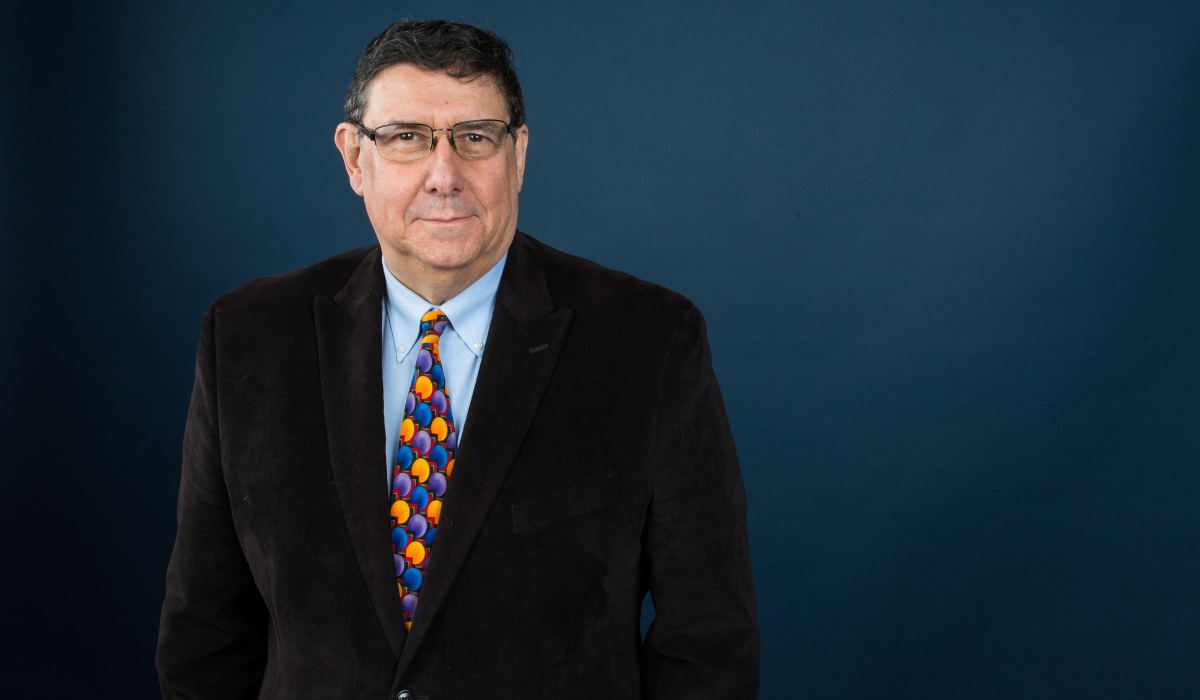
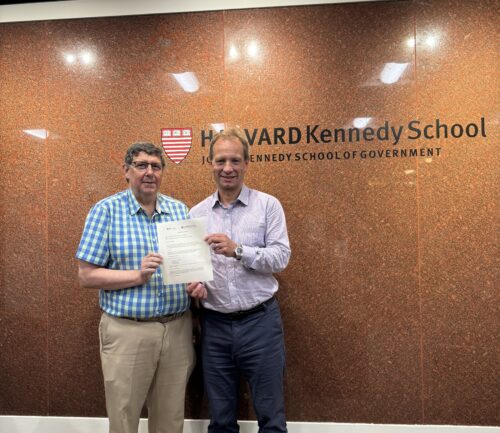
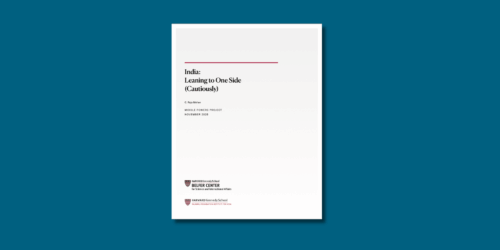
As China’s Communist Party elite prepare to gather in Beijing for a twice-a- decade Party Congress, all eyes will be on Xi Jinping, as he further cements his position as the country’s most significant leader since Mao. In a new paper, Rajawali Foundation Institute for Asia Director Tony Saich, argues that Xi is telegraphing his intention to remain the dominant political force in China well into the next decade.
Despite minor rumblings about continued COVID-19 lockdowns and the cult of personality that has built up around the country’s president, Saich observes that Xi’s grip on power is as firm as ever. During his two terms in power, Xi has worked to systematically place allies in key positions of power and authority through the party and military bureaucracies. China’s party elite has been in lock step with Xi in the run up to the Congress, with “party leaders falling over themselves to express fealty to Xi and praise his thought and outstanding achievements.”
The Party Congress also puts a spotlight on Xi’s preference for personal loyalty over professional suitability for party leaders. “Many of those Xi would appear to favor for promotion are apparatchiks rather than policy specialists. This does not bode well for navigating the policy challenges that China will face post-Congress,” Saich writes.
If Xi is ultimately successful in promoting significant numbers of allies, Saich suggests that not only will it consolidate his leadership position well into the future, but it also ensures that Beijing hews to a policy of continuity rather than systematic change. As a result, “optimism for a significant shift in economic strategy that might enhance the role of market forces is not justified,” Saich concludes. “Post-Congress, we will see the continued preference for the state sector, internally and externally.” For Xi, China’s overall economic health plays second fiddle to the stability and dominance of the party.
With Xi laying the groundwork to maintain his grip on power for the foreseeable future, Saich notes that this ultimately pushes the question of leadership transition farther down the road – potentially heightening the chance for future instability. “Is this heavily centralized, personalized rule what China needs at its current stage of development?” Saich asks. Over the coming weeks, China’s political elite seems poised to answer strongly in the affirmative.