The past and present of Vietnam are interlinked like few other countries. How do the conflicts of the past continue to reverberate in Vietnam today? Can Hanoi chart a course for itself in the shadow of a resurgent China while responding to Vietnam’s extraordinary demographic transformation? How will the country’s leadership balance environmental needs with continued economic growth?
These are the pressing questions that our scholars at the Rajawali Foundation Institute for Asia work every day to answer. Explore the events, research, and commentary below to learn more about our work.
Fifty Years On: New Perspectives on the Vietnam Wars – Day Two
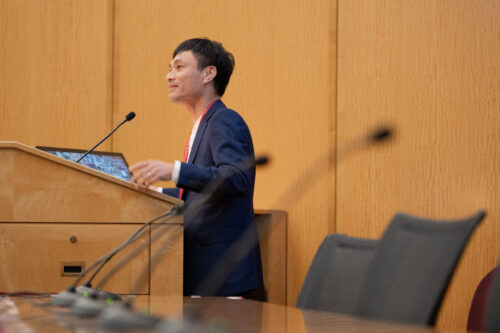
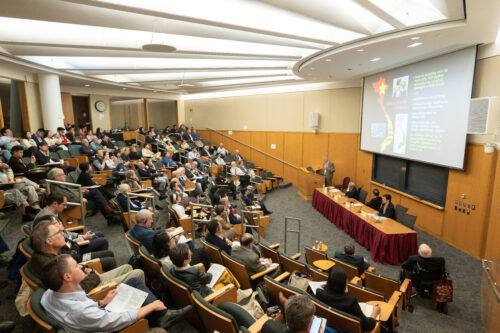
The second day of Fifty Years On: New Perspectives on the Vietnam Wars continued the conversations from Day One, exploring the wars’ lasting global and human impact. Building on the first day’s scholarship and personal reflections, Day Two featured three panels and a final roundtable. A first article covers Day One.
Fifty Years On: New Perspectives on the Vietnam Wars – Day One
The first day of the Fifty Years On: New Perspectives on the Vietnam Wars conference presented new scholarship and firsthand reflections that expanded how the Vietnam Wars are remembered and studied. Scholars, veterans, and practitioners examined the conflict from multiple perspectives, centering Vietnamese and other international voices often missing from traditional narratives. A second article covers Day Two.
Vietnamese Diaspora: The Ongoing Journey of Conflict and Reconciliation
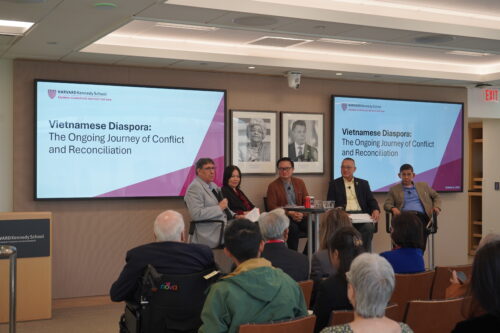
Fifty years after the fall of Saigon, the panel “Vietnamese Diaspora: The Ongoing Journey of Conflict and Reconciliation,” highlighted personal and intergenerational experiences of loss, resilience, and renewal, offering insight into how the Vietnam Wars continue to shape Vietnamese communities today.
Reflections on the Vietnam Wars and Frank and Catherine Jao’s Role in Advancing Reconciliation
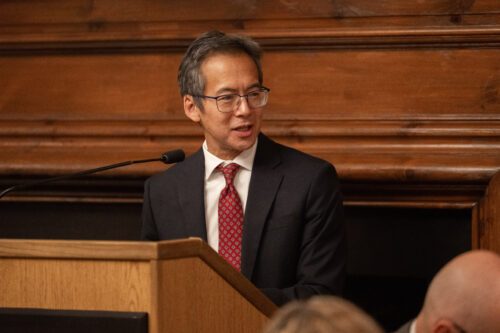
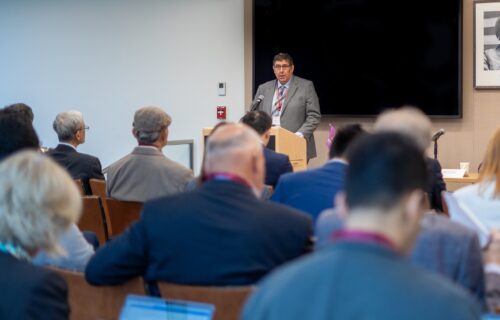
Wars end, but the story of how they are remembered, and how people heal from them, continues. On Friday, October 3, during Fifty Years On: New Perspectives on the Vietnam Wars — a two-day conference hosted by Harvard University’s Global Vietnam Wars Studies Initiative — Archon Fung, Winthrop Laflin McCormack Professor of Citizenship and Self-Government and director of the Ash Center for Democratic Governance and Innovation, shared remarks reflecting on memory, reconciliation, and the enduring lessons of conflict. Convened 50 years after the fall of Saigon, the conference brought together scholars, veterans, and practitioners to explore how the wars in Vietnam, Cambodia, and Laos continue to shape politics, remembrance, and global relationships today.
This past semester, the Rajawali Foundation Institute for Asia engaged in conversations and research on topics ranging from Indonesia’s election to US-Taiwan relations with the goal of continuing to develop policy solutions to the region’s most pressing concerns.
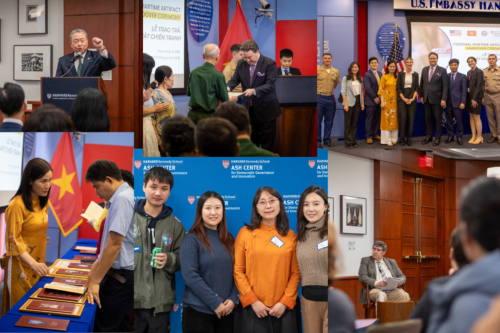
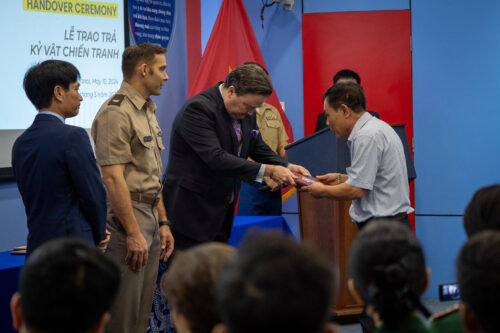
Harvard research project aids return of wartime personal effects to Vietnamese veterans and families
U.S. Embassy event in Hanoi was culmination of months of detailed archival research – and helped to unearth information about the final resting place of fallen soldiers.
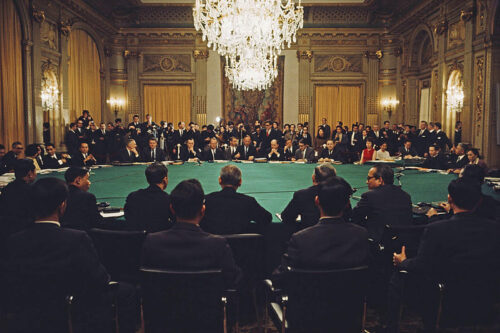
Meat Boils in a Leather Pot: The Legacy of the 1973 Paris Peace Accords
In a new essay,Hai Nguyen draws on oral histories to reflect on the 50th anniversary of the Paris Peace Accords. Nguyen reminds us of the question many are still asking a half-century later: When foreign powers withdrew from Vietnam, why did compatriots still fight to the death?
Indo-Pacific Economic Framework holds value, but it’s unclear if it will counter China’s influence says Senior Economist David Dapice
The Indo-Pacific Economic Framework (IPEF) could be beneficial for member countries, but without a regional trade agreement, a new administration could raise tariffs or otherwise change the terms of trade.